
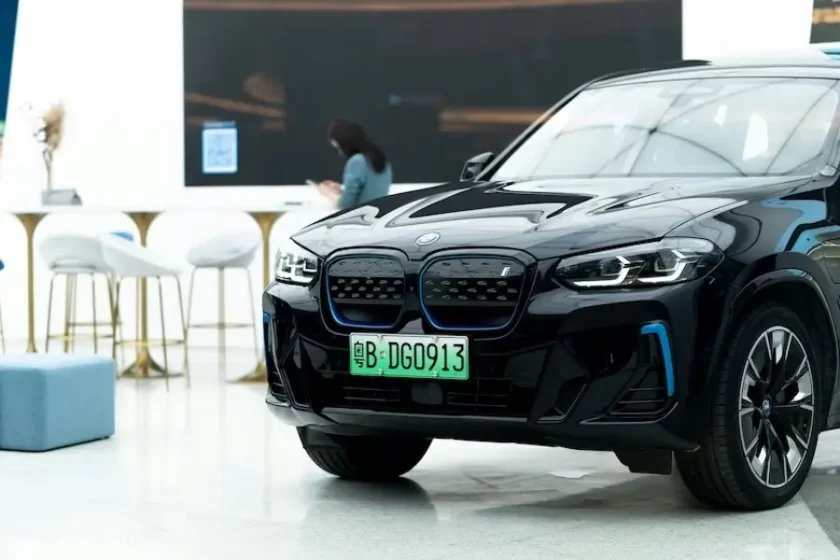
BMW Unveils Next-Generation Solid-State Battery Prototype for EVs
BMW has officially presented its first prototype of a next-generation solid-state battery, marking a major step forward in electric vehicle technology. The company announced that this new battery type could significantly improve energy density, safety, and charging speed compared to current lithium-ion solutions. The move reinforces BMW’s commitment to advancing EV innovation and achieving its ambitious electrification targets for the next decade.
One of the most exciting features of solid-state batteries is their ability to store more energy in a smaller, lighter package. According to BMW, the prototype can potentially extend driving range to more than 600 kilometers on a single charge. This breakthrough addresses one of the most pressing concerns for EV customers: range anxiety. With improved efficiency, BMW aims to make electric mobility a more practical option for mainstream consumers.
Safety is another key advantage of solid-state technology. Unlike traditional lithium-ion batteries, which use liquid electrolytes, solid-state batteries rely on solid materials that are less prone to overheating or catching fire. This reduces the risk of thermal runaway and enhances the overall reliability of EVs. For drivers, it means a more secure and worry-free driving experience.
Charging times could also be dramatically reduced with the new technology. BMW suggests that solid-state batteries may allow EVs to reach 80% charge in less than 15 minutes, making refueling times closer to those of gasoline-powered vehicles. Such improvements would make EV ownership more convenient and help accelerate global adoption.
The unveiling of the solid-state prototype demonstrates BMW’s determination to lead the EV market with cutting-edge technology. While mass production may still be a few years away, the company’s progress signals a bright future for sustainable mobility. As competition in the automotive industry intensifies, BMW’s investment in advanced batteries could set it apart and define the next generation of electric driving.
